
In the bustling world of the service industry, closing time is the golden hour every employee dreams of. It marks the end of a long shift and the beginning of rest. However, every restaurant worker knows the specific agony of the “lingering customer”—the table that simply refuses to leave long after the lights have dimmed.
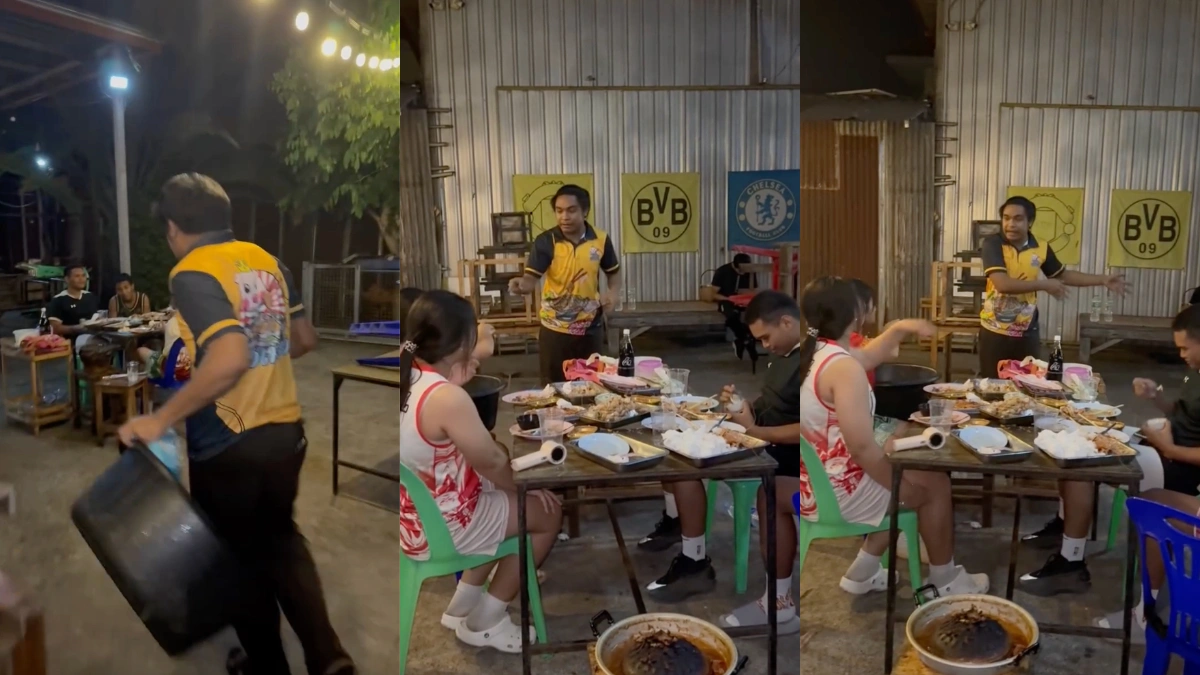
Recently, a hilarious video from a Thai BBQ (Mookata) restaurant went viral on TikTok, capturing the hearts and laughter of netizens worldwide. The clip showcases a witty employee who, fed up with customers staying past closing time, decided to drop a not-so-subtle hint. Instead of the check, he brought them a basin, dish soap, and a sponge. This lighthearted moment has sparked a conversation about restaurant etiquette and the universal struggles of service workers.
The Incident: “If You Stay, You Clean”
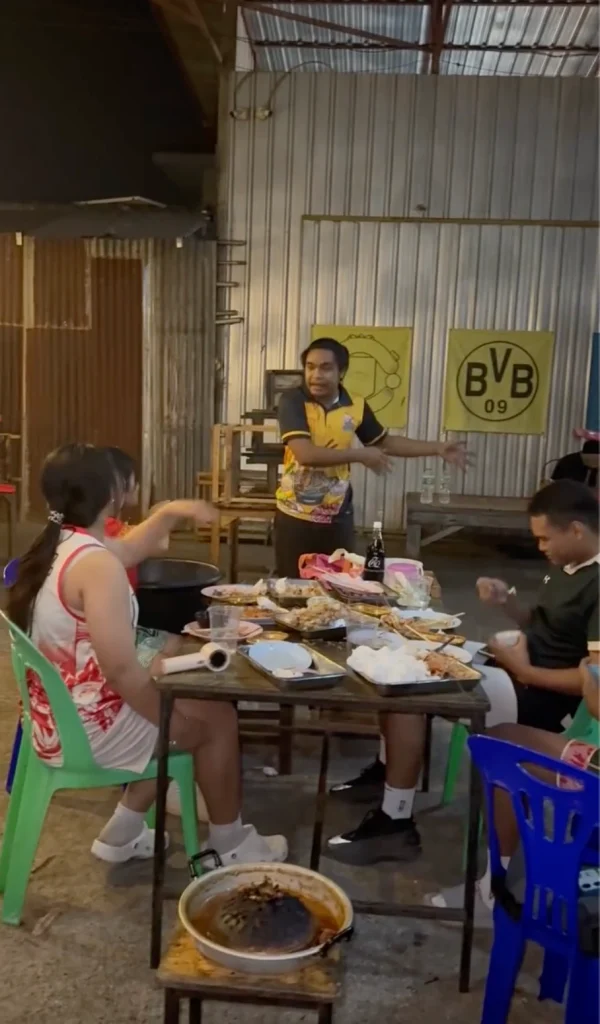
The viral incident, shared by TikTok user @adumlion, took place at a local Mookata restaurant in Thailand. For the uninitiated, Mookata is a popular Thai dining style combining a barbecue grill and a hot pot. It is a leisurely dining experience, often extending late into the night.
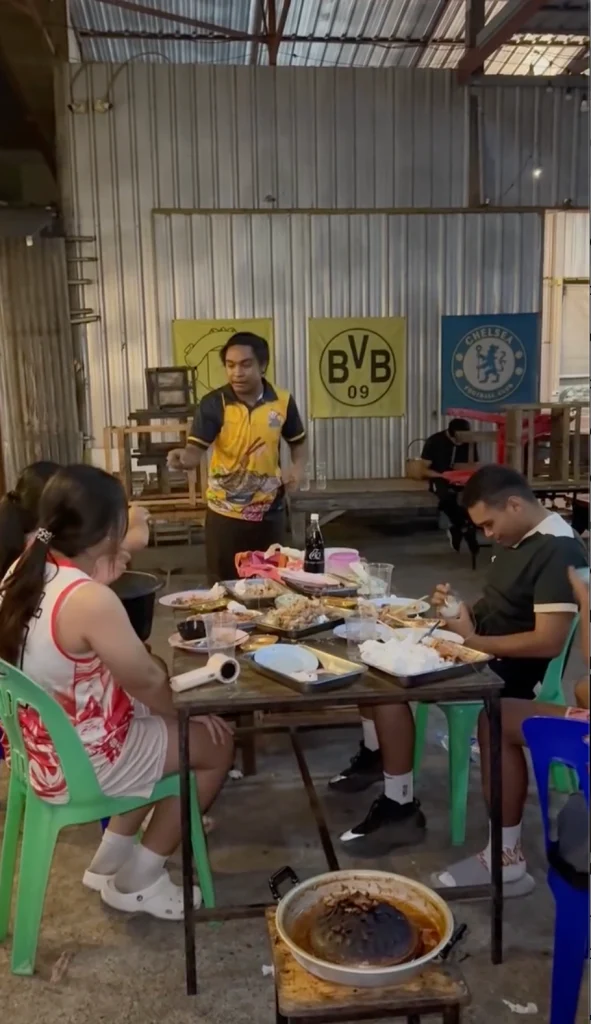
In the video, which has amassed thousands of views and shares, a group of customers is seen enjoying their meal well past the restaurant’s designated closing time. The atmosphere is casual, but the staff is clearly ready to head home.
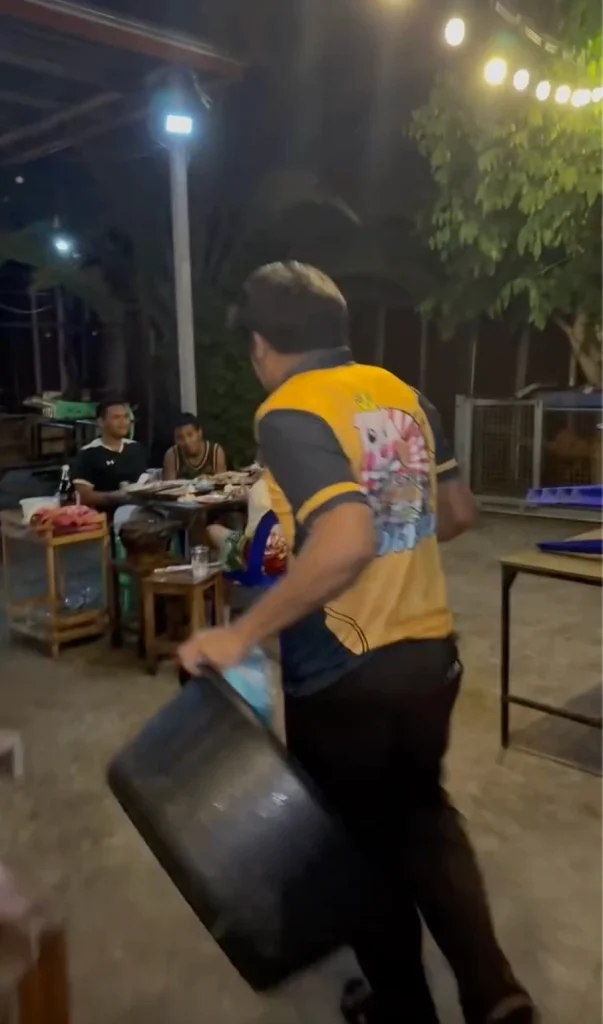
Instead of rudely kicking them out, one employee decided to take a comedic approach. He walked up to the table not with a bill, but with a full dishwashing kit: a large metal basin, a bottle of Sunlight dish soap, and a Scotch-Brite sponge.
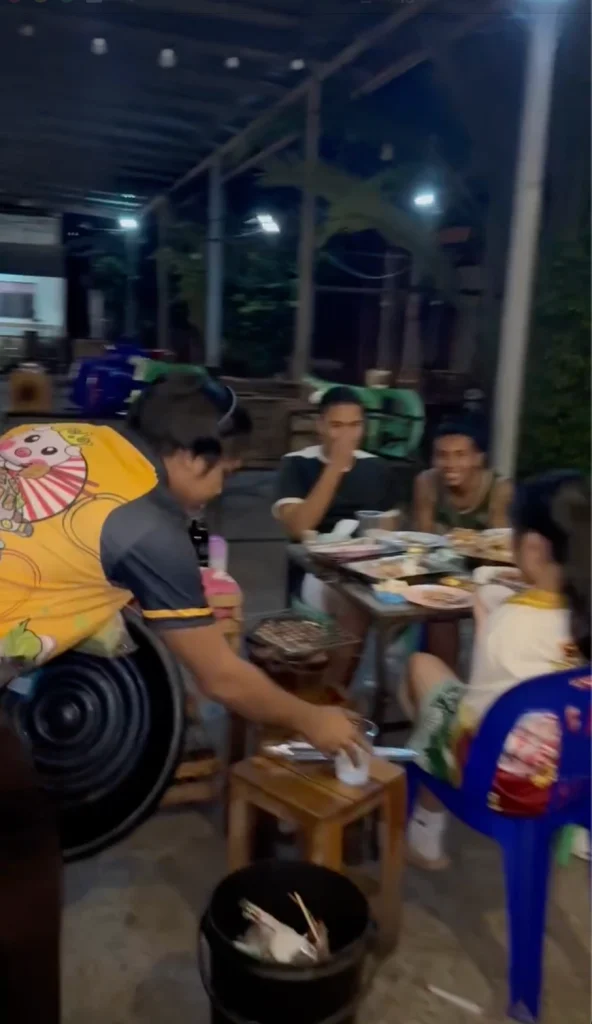 “Here is the basin, the Sunlight, and the sponge. If you’re going to sit this long, you might as well help us clean up before we go home!”
The table erupted in laughter, and the video captured the perfect balance between frustration and friendly banter. It was later revealed that the customers and the staff likely knew each other, allowing for this bold, humorous interaction.
Netizen Reactions: A Universal Struggle
The video quickly resonated with viewers, particularly those who have worked in the food and beverage industry. The comments section became a support group for former and current service workers sharing their own war stories of late-night customers.
“I wish every restaurant employee could do this! This is the dream of every waiter who has had to wait for that one last table to finish talking.”
Another user shared a personal anecdote: “When I opened a bar, I was so tired waiting for customers to leave that I actually brought a folding bed and a blanket to sleep next to their table. Message received immediately!”
Context: The “Mookata” Dining Culture
To understand why this happened, one must understand the context of Mookata. In Thailand, Mookata is more than just a meal; it is a social event.
- The Experience: It involves grilling pork on a dome-shaped skillet while boiling vegetables and soup in the rim. It is a “slow food” process. You cook as you eat, which naturally encourages long conversations and drinking.
- The Time Factor: Unlike fast-food joints, Mookata restaurants often stay open late, sometimes until 2 or 3 AM. However, “closing time” usually means the kitchen closes, but customers often linger to finish their drinks.
- The Conflict: This clash between the relaxed nature of the dining style and the rigid shifts of the employees often leads to the situation seen in the video.
The Importance of Restaurant Etiquette
While the video is entertaining, it serves as a gentle reminder about dining etiquette. Adhering to a restaurant’s operating hours is a basic sign of respect for the staff.
Why Closing Time Matters:
- Transportation: Many staff members rely on public transport, which stops running late at night. Staying late might strand them.
- Clean-up: Closing the doors is just the start. Staff often spend another hour cleaning grills, mopping floors, and prepping for the next day.
- Physical Fatigue: Food service is physically demanding. An extra 30 minutes for a customer sitting down is an extra 30 minutes of standing for the staff.
Conclusion
The viral TikTok of the Mookata employee handing over dishwashing liquid is a perfect example of how humor can diffuse tension. It has provided a laugh for millions while silently advocating for service workers everywhere.
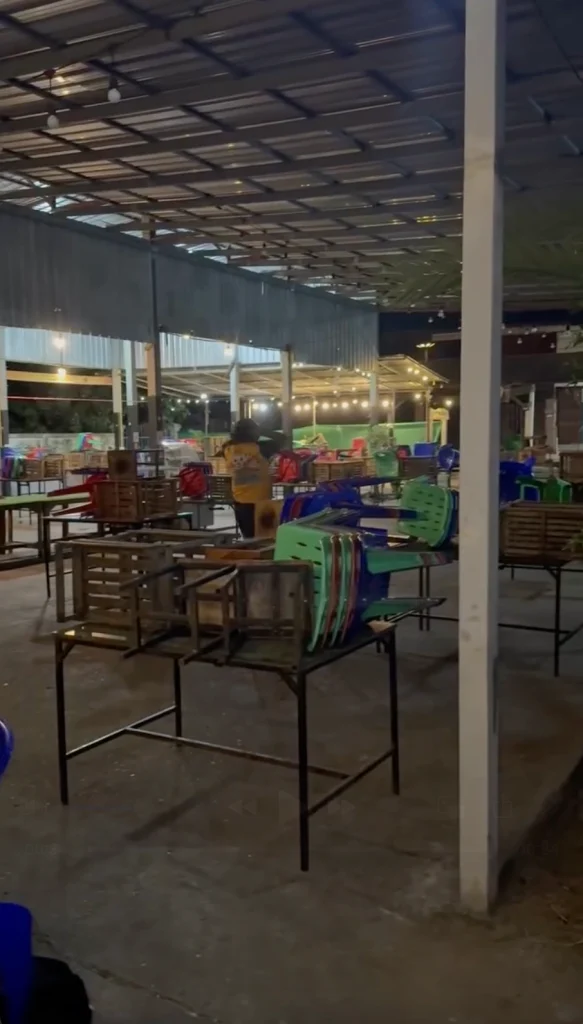
Next time you are at a restaurant and notice the chairs being stacked or the music turning off, remember this story. Don’t wait for the waiter to bring you a sponge—take it as your cue to settle the bill and let the hardworking staff go home to their families.