
Introduction: The Fine Line Between “Pet-Friendly” and “Family”
In the rapidly evolving landscape of modern dining, the term “pet-friendly” is often thrown around loosely. For many establishments, it simply means allowing a dog to sit on the floor of an outdoor patio or stay confined within a stroller. However, a Japanese BBQ restaurant known as KO-YA has recently ignited a passionate conversation on social media by challenging these boundaries.
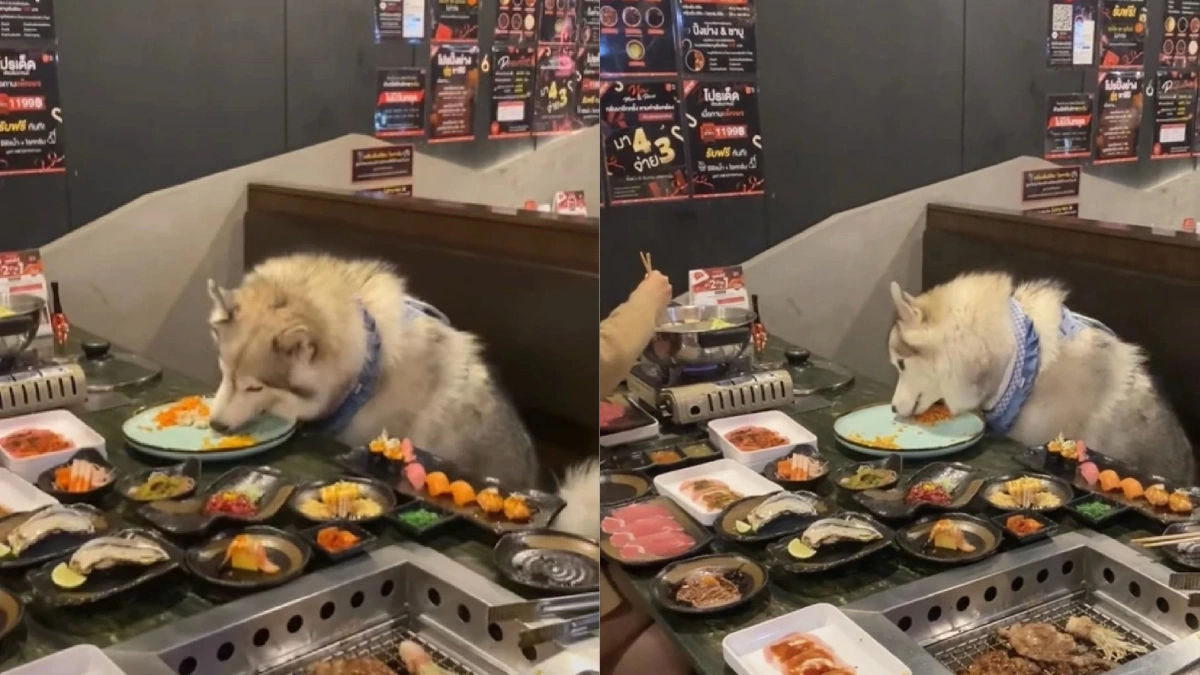
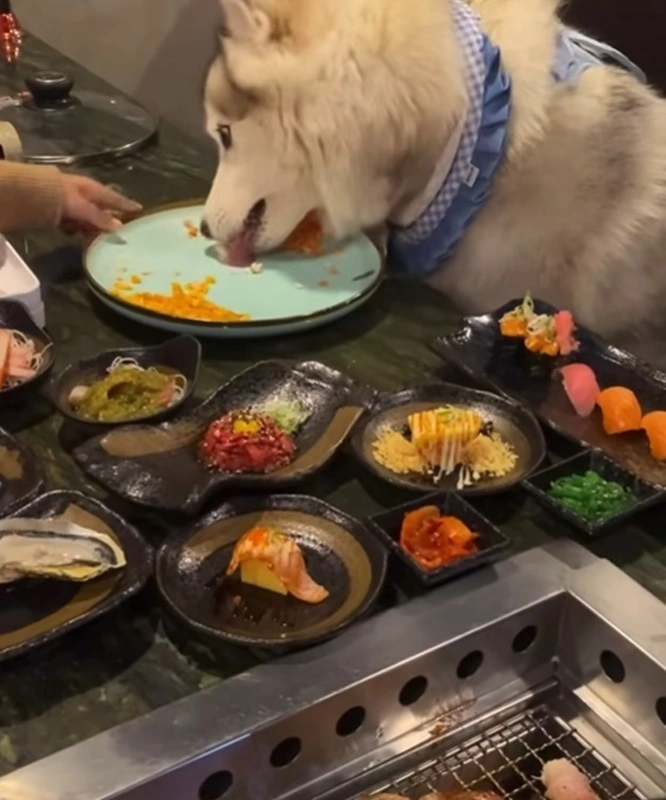
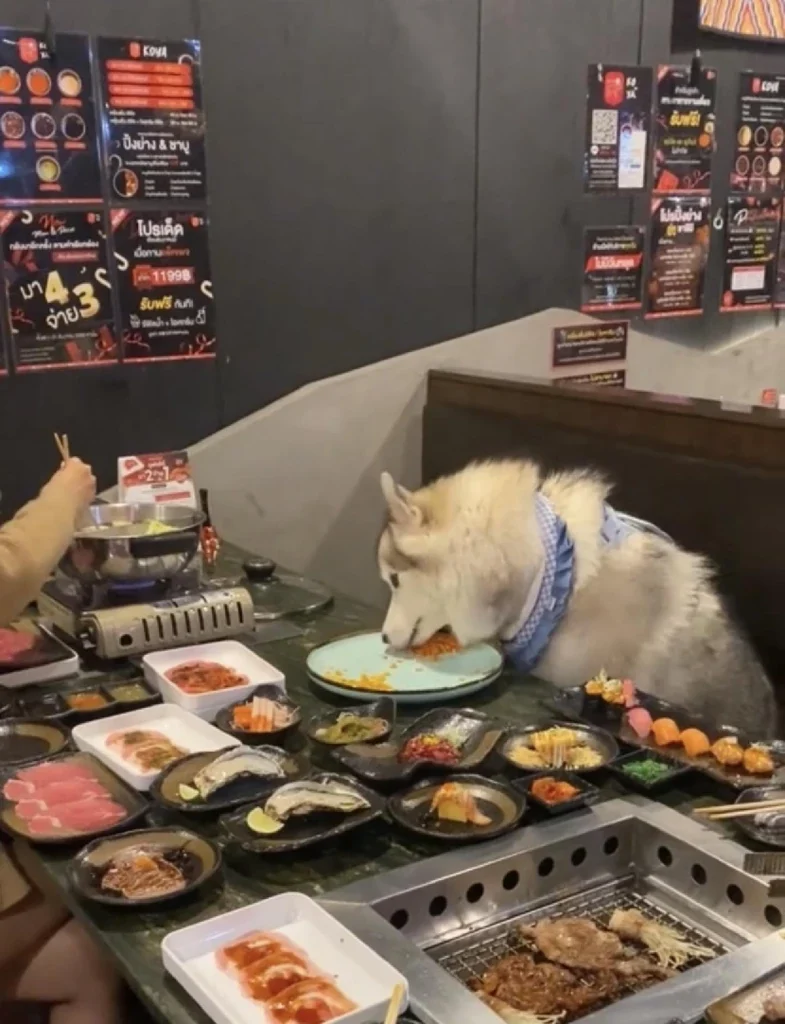
A viral video surfacing online showed a customer’s dog not just present, but seated at the dining table, enjoying a meal alongside its owners. The clip immediately polarized the internet—drawing applause from devoted pet parents while simultaneously raising eyebrows among hygiene-conscious diners.
This isn’t just a story about a dog at a dinner table; it is a case study on the rising trend of “Pet Humanization” and how businesses are adapting to treat pets as legitimate family members without compromising on health and safety standards.
The Viral Moment: When Inclusivity Meets Controversy
The discussion began when footage circulated of a patron bringing their dog to dine at KO-YA. Unlike typical pet-friendly venues that impose strict “floor-only” or “bag-only” policies, this establishment allowed the pet to join the table.
The reaction was swift. Critics questioned the sanitary implications of animals dining in close proximity to food service areas. In the food and beverage industry, hygiene is the currency of trust, and any perceived breach can be fatal to a brand’s reputation.
However, instead of retreating or issuing a standard corporate apology, the restaurant’s management stepped forward with a heartfelt and transparent clarification that turned critics into potential customers.
The Restaurant’s Stance: “Pets Are Children, Not Just Targets”
In a statement released via their official page, KO-YA addressed the drama with refreshing honesty. They clarified that their business model wasn’t born from a calculated marketing strategy to capture the “pet lover” demographic. Instead, it stemmed from their own identity as pet owners.
“We didn’t open this shop thinking about target audiences. We have pets ourselves, and we raise them like our own children. We give them love and care just as we would a human child.”
This philosophy of “Pets as Family” resonates deeply with modern consumers. According to recent market studies, the pet care economy is booming because millennials and Gen Z owners increasingly view their pets as children. KO-YA’s policy reflects a genuine emotional alignment with their customers, creating a sense of community that transcends a simple transaction.

Hygiene Protocol: How KO-YA Ensures Safety for All
The most critical part of the restaurant’s response—and the key to their continued success—was their detailed explanation of their sanitation protocols. For any food business looking to adopt a similar model, KO-YA sets a high standard:
- Strict Utensil Separation: The restaurant explicitly stated that plates and bowls for dogs are completely separate from those used by human customers. There is no cross-contamination in the dining ware.
- Human-Grade Quality: Interestingly, while the plates are different, the food quality is not. The restaurant uses the same high-grade ingredients for pets as they do for people, ensuring safety and nutrition.
- Industrial Sterilization: All dishes are cleaned using high-heat industrial dishwashers and dryers. The thermal sanitization process ensures that bacteria and allergens are effectively neutralized.
- Weekly Disinfection: Beyond daily cleaning, the establishment undergoes a specialized disinfectant spraying process every week to maintain a sterile environment.
- Immediate Table Turnaround: Once a customer (and their pet) leaves, the staff uses high-quality cleaning agents to sanitize the table and seating area immediately, ensuring the next guest arrives at a pristine spot.
“We care about hygiene for everyone,” the owner emphasized. “We separate the cleaning processes and ensure that our love for pets does not compromise the safety of our human guests.”
Community Reaction: The Definition of “True Pet-Friendly”
The transparency from KO-YA turned a potential PR crisis into a wave of support. The comment section of the viral post became a testimonial wall for the restaurant’s service.
One top comment read: “I’ve been there twice and will keep going back. The staff is lovely and you can tell they truly love dogs. It’s hard to find a shop that accepts pets this openly. Some places say they are pet-friendly but force you to keep them in a hot car or a stroller. This is the dream shop for those of us who see our dogs as children.”
Another customer added: “True Pet-Friendly. My son (dog) could sit with us without being in a bag. The shop takes cleanliness very seriously. Sending support!”
This distinction—“Pet-Friendly” vs. “Pet-Tolerant”—is becoming a major competitive advantage. “Pet-Tolerant” places allow animals but restrict them heavily. “True Pet-Friendly” venues, like KO-YA, integrate them into the experience, earning fierce loyalty from pet owners.

Editorial Analysis: The Future of Dining
The success of KO-YA suggests a shift in the hospitality industry. As pet ownership continues to rise, businesses that can successfully balance emotional inclusivity with clinical hygiene will win the market.
However, this model requires rigorous operational discipline. It is not enough to just let dogs in; businesses must invest in:
- Separated inventory systems (for cutlery and crockery).
- Enhanced cleaning budgets (for industrial sanitizers).
- Staff training (to handle animals and manage cross-contamination risks).
KO-YA has proven that with the right procedures, you can serve high-quality Japanese BBQ to humans while letting their four-legged best friends pull up a chair.
Conclusion
The drama surrounding KO-YA serves as a valuable lesson in crisis management and brand identity. By standing firm in their values while providing factual, reassuring evidence of their safety protocols, they didn’t just diffuse a situation—they solidified their brand. For pet lovers, it’s a new favorite hang-out. For the industry, it’s a wake-up call that the definition of “family dining” is changing forever.
Source & Credibility
- Primary Source: Official statement from KO-YA Restaurant via social media correspondence and local news reports.
- Fact Check: Protocols regarding industrial dishwashing and sterilization align with food safety standards for mixed-use environments.
- Disclaimer: Readers with severe pet allergies should exercise personal discretion when visiting pet-integrated dining establishments.